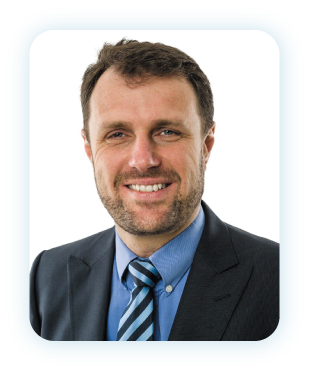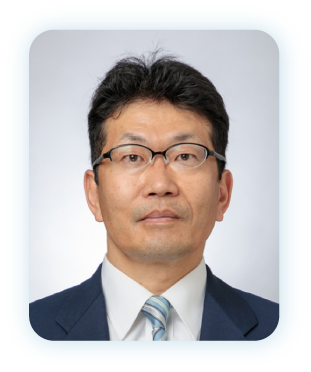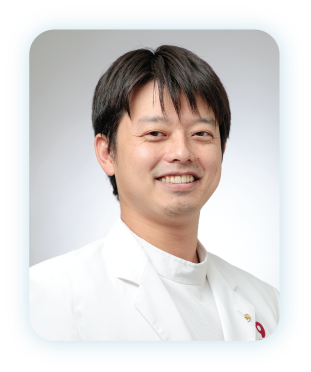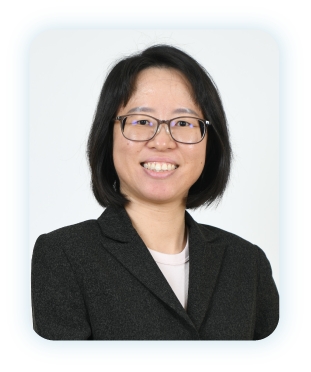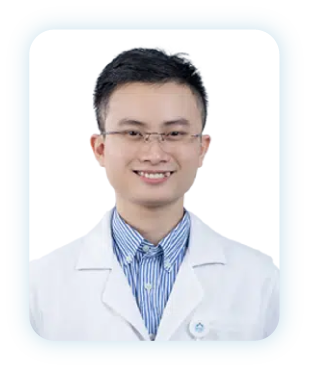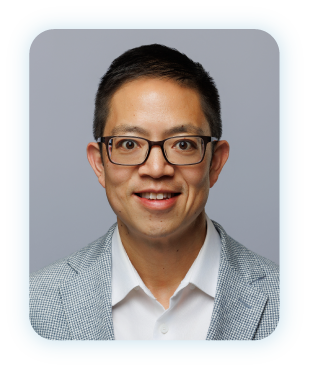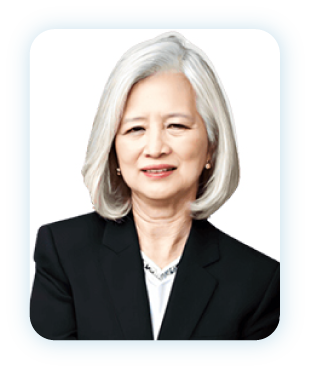

Professor Yacoub Khalaf
Consultant Gynaecologist and Reproductive Medicine Specialist, London
President ISIVF
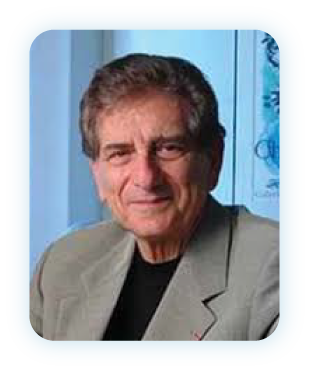
Emeritus Professor Victor Gomel
Department of Obstetrics and Gynecoloygy,
University of British Columbia
Honorary President ISIVF
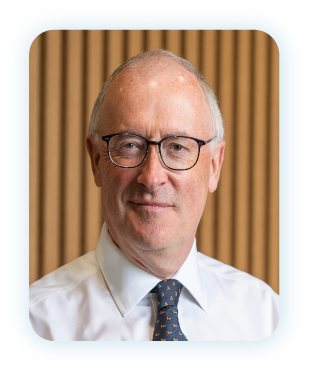
Emeritus Professor William Ledger
Senior Fertility Specialist,
Obstetrician and Gynaecologist,
Head and Professor of the Discipline of Obstetrics & Gynaecology in the School of Women’s & Children’s Health, UNSW Sydney.
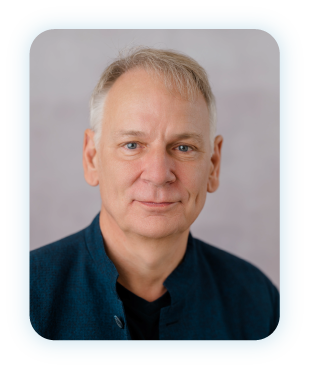
Dr Santiago Munne
President @ Homu Health Ventures
Scientific Director @ Progenesis
Chief Innovation Officer @ Overture Life
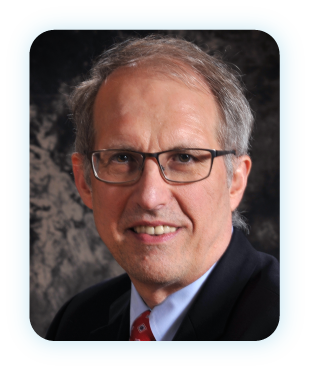
Emeritus Professor Johan E.J. Smitz
Follicle Biology Lab, Faculty of Medicine & Pharmacy, Vrije Universiteit Brussel (VUB), Belgium.
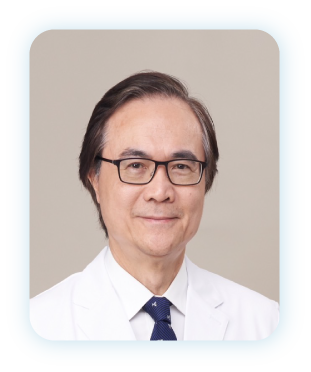
Professor Chii-Ruey Tzeng
Founder, Taipei Fertility Center
Secretary General, Asia Pacific Initiative on Reproductive (ASPIRE)
Honorary Professor, Taipei Medical University (TMU)
Funding President, Taiwan Endometriosis Society (TES)

Professor Antonis Makrigiannakis
Professor of Obstetrics –
Gynecology at the Medical School of the University of Crete and
Director of the Obstetrics –
Gynecology Clinic of PAGNI
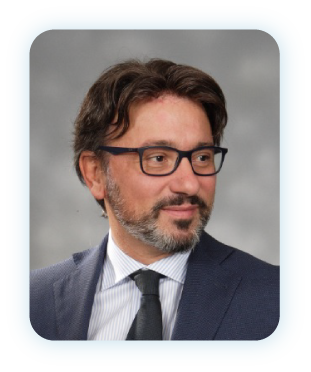
Professor Antonio La Marca
Professor of Obstetrics and Gynecology,
Department of Medical and Surgical Sciences of the Mother, Children and Adults,
University of Modena and Reggio Emilia, Italy
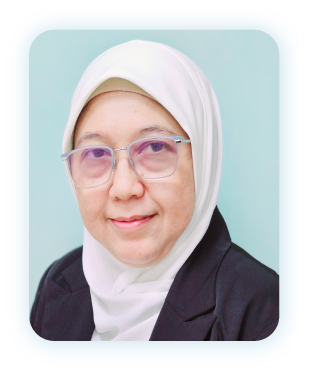
Dr Murizah Mohd Zain
Director & Reproductive Medicine Specialist
Vistana Fertility Centre (Alor Setar)
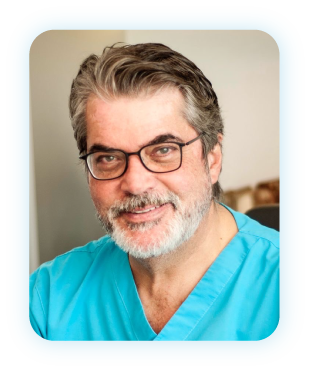
Professor Dr Timur Gurgan
Scientific Director of Gürgan Clinic Women’s Health,
Infertility and In Vitro Fertilization Center
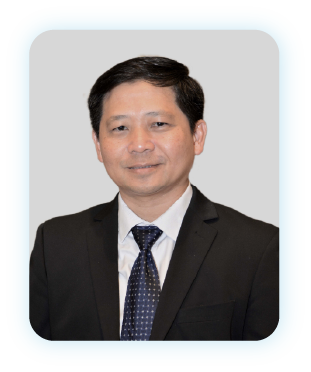
Professor Dr Tuong M Ho
Senior Advisor and Consultant of IVFMD, My Duc Hospital
Director of HOPE Research Center
Secretary General, HOSREM

Dr Manish Banker
Infertility specialist and the Medical Director of Nova IVF Fertility Clinics
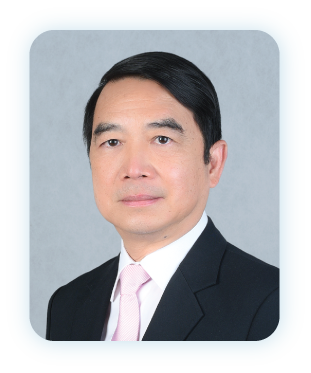
Professor Dr Kamthorn Pruksananonda
OB/GYN and Reproductive Medicine Specialist,
Bumrungrad International Hospital
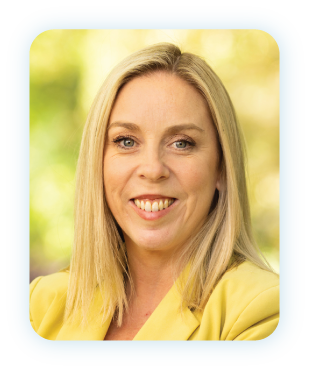
Associate Professor Kylie Dunning
Ext-Funded Research Fellow (D) Robinson Research Institute Division of Research and Innovation
The University of Adelaide
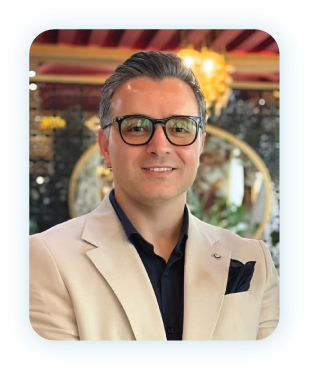
Professor Majid Warkiani
Professor in the School of Biomedical Engineering at UTS, Sydney, Australia
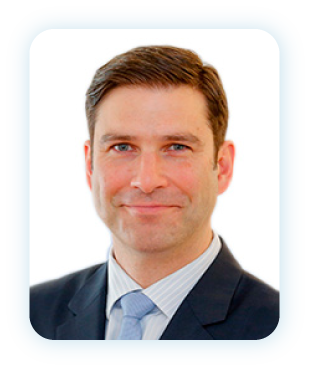
Professor Georg Griesinger
Professor at Lueback University and chair at the Department of Gynecological Endocrinology and Reproductive Medicine,
University Hospital of Schleswig-Holstein,
Luebeck, Germany
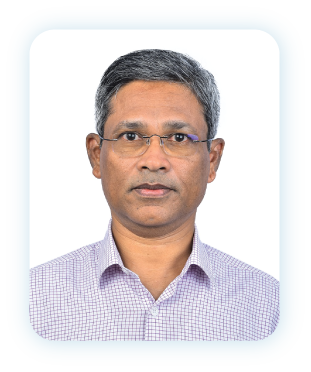
Dr. Mohamed Saleem
Chief Scientific Officer,
Laboratory Director and Executive Director
Cytogenomix
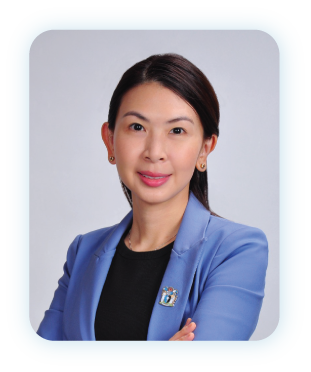
Dr Chua Ai Chen
Reproductive Medicine Specialist,
Obstetrician & Gynaecologist
Subang Jaya Medical Centre
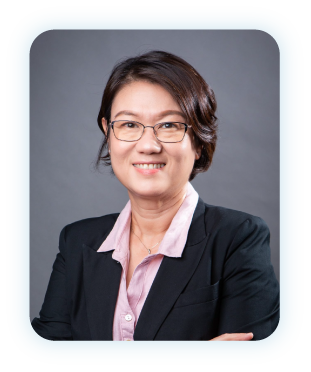
Dr Liza Ling Ping
Consultant Obstetrician & Gynaecologist,
Fertility Specialist
TMC Fertility
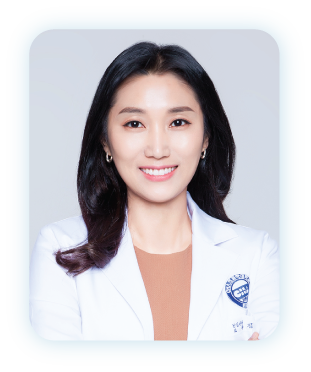
Associate Professor Dr Ji Hyang Kim
Department of Obstetrics and Gynecology, CHA University
Fertility Center of CHA Women’s Hospital
CHA Bundang Medical Center, Seongnam, Korea
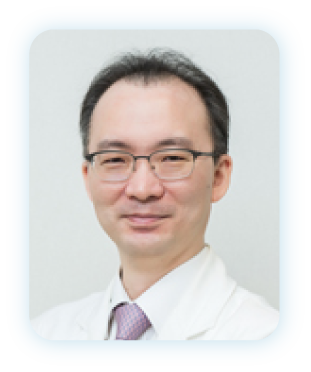
Professor Jung Ryeol Lee
Professor at Seoul National University College of Medicine and Seoul National University
Bundang Hospital
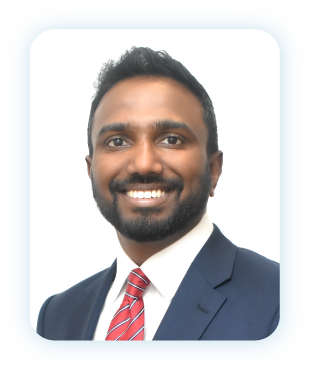
Professor Dr Prasanna Supramaniam
Consultant in O&G, Fertility Specialist and Minimally Invasive Gynaecological Surgeon,
Thomson Fertility / TMC Fertility Centre
@ Thomson Hospital Kota Damansara
Emeritus Professor Johan E.J. Smitz
Follicle Biology Lab, Faculty of Medicine & Pharmacy, Vrije Universiteit Brussel (VUB), Belgium.
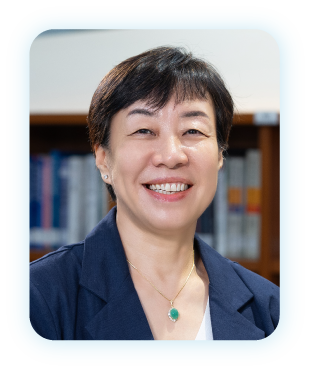
Professor Jean Kyung-Ah Lee
Professor at Department of Biomedical Science, College of Life Sciences, CHA University, Korea
Executive Director at CHA University Fertility Center
Dr. Mohamed Saleem
Chief Scientific Officer,
Laboratory Director and Executive Director
Cytogenomix
Yacoub Khalaf
MD, FRCOG
Emeritus Professor William Ledger
MA, DPhil, FRCOG, FRANZCOG, CREI
Professor William Ledger has recently retired from his role as Head of Discipline of Women’s Health, Faculty of Medicine at the University of New South Wales and Director of Reproductive Medicine at the Royal Hospital for Women. He continues in his practice as a fertility specialist at City Fertility in Sydney. His research interests focus on in vitro fertilisation and assisted reproduction, impacts of reproductive ageing and disorders such as endometriosis, premature ovarian failure and polycystic ovary syndrome on fertility and quality of life, reproductive effects of cancer treatment, onco-fertility, and health economic and demographic aspects of infertility.
Emeritus Professor William Ledger
MA, DPhil, FRCOG, FRANZCOG, CREI
IVM: What’s In The Name?
In Vitro Maturation of oocytes (IVM) is an alternative to conventional Vitro Fertilisation (IVF) that uses noor almost no FSH stimulation. The result is a much shorter and safer cycle, with significant reduction in side effects and no risk of Ovarian Hyperstimulation Syndrome (OHSS). Currently, IVM is suitable for women with a high ovarian reserve, assessed using AMH or antral follicle count. This group includes women with PCOS who are at particular risk of OHSS after IVF.
CAPA (capacitation)-IVM has an added step in the maturation process. First-stage oocyte culture slows the process of maturation, then the second culture finalises the maturation process. This approach has been shown to be superior to routine IVM clinical trials, with improved maturation, fertilisation, embryo development and pregnancy and livebirth rate. CAPA-IVM cycles currently result in cryopreservation of oocytes or embryos, but recent research has shown that with careful endometrial priming it is possible to achieve good pregnancy rates after fresh embryo transfer following CAPA-IVM.
Setting Up A Workflow Consisting of A Multidisciplinary Team for Cancer Fertility Preservation
Chemotherapy, radiotherapy and non-chemo and immunotherapies can lead to permanent loss of fertility for young people with cancer. The preservation of sperm, oocytes and embryos has become an established part of oncology treatment for children, adolescents and young adults in many countries. The collection and cryopreservation of sperm for post-pubertal males is usually straightforward, whereas cryopreservation of oocytes and embryos requires superovulation and follicle aspiration. Alternatives to superovulation include ovarian tissue cryopreservation and in vitro maturation (IVM) of immature oocytes. Most cancer treatments are initiated shortly after a diagnostic biopsy. This creates a limited window of time during which fertility preservation can be performed. An efficient and agile multidisciplinary clinical team is necessary to ensure that fertility preservation can be performed safely and quickly in the circumstances. The feedback from cancer treatment survivors is uniformly positive, even though only a minority return to use their gametes or embryos.
Santiago Munné
PhD, Scientific Director, Progenesis
Santiago Munné developed the first Preimplantation Genetic Testing of Aneuploidy(PGT-A) (1993), used in over 50% of US cycles, and PGT-SR. Published>260peer-reviewed articles and received 8 SART and ASRM prize papers, and 12 ASRM Star Award. In 2024 obtained the Robert G Edwards award from RBMO. He founded Reprogenetics (PGT), Recombine (Carrier screening), MedAnswers and Ovum Health (tele-Medicine), Phosphorus (genomics), Overture Life (IVF automation) and Homu Health Ventures (incubator focused on reproductive medicine). He is Scientific Director at Progenesis, Chief Innovation Officer at Overture Life, president at Homu health Ventures, and serves in the scientific boards of Gen Embryomics, Sama and Butterfly.
Santiago Munné
PhD, Scientific Director, Progenesis
Non-Invasive PGT (NI-PGT) Using Spent Culture Media
Embryo biopsy requires significant technical skill to avoid embryo damage, as well as specialized equipment. An alternative approach is non-invasive preimplantation genetic testing (NI-PGT). Blastocyst-stage embryos shed DNA into both the culture medium and the blastocoel cavity, which can be analyzed to determine their ploidy status.
The DNA found in the blastocoel primarily originates from apoptotic cells and is more abundant in aneuploid embryos. In contrast, DNA in the spent culture medium derives mainly from extrachromosomal microDNA or extracellular vesicles. Unfortunately, the culture medium is often contaminated with maternal DNA from residual corona and cumulus cells.
Several strategies have been employed to minimize this contamination—most notably, culturing embryos to day 6 to increase the ratio of embryonic to maternal DNA. Freezing embryos and then culturing them for an additional day also raises the proportion of embryonic DNA in the spent medium, as some cells die during the freeze–thaw process. Another approach involves detecting maternal DNA directly by increasing sequencing depth (>1.5 million reads) to identify single nucleotide polymorphisms (SNPs) and determine which samples are contaminated.
Using these methods, some research groups have reported over 80% concordance between NI-PGT results and trophectoderm biopsy. A few prospective studies have shown that NI-PGT can achieve comparable outcomes to standard PGT performed with embryo biopsy.
Automated Vitrification of Oocytes
Santiago Munné,L. Mendoza, J. Fidalgo, A. Martín, J. Cicare, L. Matthys.
Oocyte vitrification is increasingly used for fertility preservation, yet the manual process demands high technical skill, is time-consuming, and shows significant operator variability. To address these challenges, we developed DaVitri, an automated vitrification system comprising a disposable microfluidic biochip with an open-well design, integrated cryoprotectant reservoirs, and a cradle station that precisely controls fluid flow.
Prior to commercial launch, extensive animal studies and a multicenter prospective trial compared manual and automated vitrification of human donor oocytes. Each donor’s oocytes were evenly divided between both methods, and resulting blastocysts were analyzed by PGT-A. Survival, fertilization, blastulation, and aneuploidy rates were comparable between groups. However, euploidy rates were consistent across centers using DaVitri but varied with the manual method, indicating that automation reduces inter-operator variability.
DaVitri also uses six times less cryoprotectant and halves the processing time compared to manual protocols, including fast vitrification workflows. The device is now commercially available and in clinical use across multiple countries.
Non-Invasive PGT (NI-PGT) Using Spent Culture Media
Embryo biopsy requires significant technical skill to avoid embryo damage, as well as specialized equipment. An alternative approach is non-invasive preimplantation genetic testing (NI-PGT). Blastocyst-stage embryos shed DNA into both the culture medium and the blastocoel cavity, which can be analyzed to determine their ploidy status.
The DNA found in the blastocoel primarily originates from apoptotic cells and is more abundant in aneuploid embryos. In contrast, DNA in the spent culture medium derives mainly from extrachromosomal microDNA or extracellular vesicles. Unfortunately, the culture medium is often contaminated with maternal DNA from residual corona and cumulus cells.
Several strategies have been employed to minimize this contamination—most notably, culturing embryos to day 6 to increase the ratio of embryonic to maternal DNA. Freezing embryos and then culturing them for an additional day also raises the proportion of embryonic DNA in the spent medium, as some cells die during the freeze–thaw process. Another approach involves detecting maternal DNA directly by increasing sequencing depth (>1.5 million reads) to identify single nucleotide polymorphisms (SNPs) and determine which samples are contaminated.
Using these methods, some research groups have reported over 80% concordance between NI-PGT results and trophectoderm biopsy. A few prospective studies have shown that NI-PGT can achieve comparable outcomes to standard PGT performed with embryo biopsy.
Whole Genome Sequencing of Embryos for Inherited, De Novo, or Polygenic Disease and Traits (IQ)
Santiago Munné, Nick Murphy
Whole-genome sequencing (WGS) of embryos enables simultaneous assessment of inherited monogenic disorders, de novo mutations, chromosomal abnormalities, and polygenic traits, offering a comprehensive view of the embryo’s genetic architecture. Using next-generation sequencing (NGS) platforms, embryo biopsy DNA undergoes whole-genome amplification followed by deep sequencing and bioinformatic analysis to detect single-nucleotide variants, indels, and structural variants. Parental genomes are used to phase variants and identify inheritance patterns, improving diagnostic accuracy and distinguishing de novo events.
For polygenic traits, genome-wide polygenic risk scores (PRS) are computed using validated reference datasets, allowing relative risk estimation for complex conditions such as diabetes, cardiovascular disease, and neurodevelopmental outcomes, as well as for non-medical traits such as cognitive potential (IQ).
Compared with targeted PGT-M and PGT-A, WGS provides a broader, more integrated assessment without the need for multiple tests, while maintaining high analytical validity. Current studies demonstrate over 95% concordance between embryo WGS and parental carrier results, with low allele dropout and minimal amplification bias. This approach represents the next generation of embryo genetic screening, enabling precise, comprehensive, and ethically informed selection for both disease prevention and optimized health potential.
Yoshiharu Morimoto, M.D., Ph.D
CEO, IVF JAPAN GROUP
Yoshiharu Morimoto M.D., Ph.D. is CEO of IVF JAPAN GROUP, comprising three facilities: HORAC Grand Front Osaka Clinic, IVF Osaka Clinic, and IVF Namba Clinic. He is Immediate Past President of ISIVF and Past President of PSRM and ASPIRE. He is internationally recognized as a pioneer in reproductive medicine and biology, and inadvancing innovative approaches such as integrated medicine care and AUGMENT. Throughout his career, he has supported more than two million patients with high success pregnancy rates. His current research is focused on ASCENT (Adipose Stem Cell Energy Transfer), aiming to improve treatment outcome for patients with refractory infertility.
Degrees and Education
Academic Appointments
Professional Affiliations and Leadership Roles
Yoshiharu Morimoto, M.D., Ph.D
CEO, IVF JAPAN GROUP
History of IVM Development in Human and The Why of its Clinical(Non)-Use
The concept of in vitro maturation (IVM) has a long history in reproductive biology. Pincus(1935) first demonstrated IVM in mammals, and later Edwards extended this work to human oocyte culture. Clinical translation was pioneered by Cha and colleagues(1991) in Korea, who achieved the first pregnancy using IVM in a donor program, followed by our report of the first Japanese IVM pregnancy in 1999. Since then, IVM has been used primarily in patients with polycystic ovary syndrome (PCOS), as its most important advantage is the complete absence of ovarian hyperstimulation syndrome. The method requires little or no gonadotropin stimulation and is technically less demanding, although retrieval from small antral follicles poses a challenge. To overcome this, we developed a double-lumen aspiration needle that facilitated oocyte collection. While IVM is widely adopted in bovine reproduction, human application remains limited. The critical issue to be solved is the estrangement of nuclear and cytoplasmic maturation that may induce low maturation rates of immature oocytes. Recently, the CAPA-IVM system, introduced by Johan Smitz, added a preincubation phase to enhance cytoplasmic maturation, significantly improving both oocyte maturation and clinical outcomes.
The Future of Tissue Engineering in Reproductive Medicine
The major challenge in assisted reproductive technologies (ART) remains the low quality of oocytes and embryos. In patients who consistently generate embryos unable to progress to blastulation or implantation, clinicians attempt to enhance gamete or embryo quality by modifying ovarian stimulation protocols, adjusting gonadotropin types, or altering trigger methods. Embryologists likewise explore changes in culture media or conditions, yet such interventions rarely yield substantial improvements. These limitations have directed attention to the role of mitochondria in oocytes. Each oocyte contains approximately 200,000–300,000copies of mitochondrial DNA (mtDNA), and these organelles serve as the primary source of ATP required for oocyte maturation, fertilization, and early embryogenesis. For patients with compromised oocyte quality, we applied Autologous Germline Mitochondrial Energy Transfer (AUGMENT), achieving 13 live births through this tissue-engineering approach. However, AUGMENT requires laparoscopy, imposing psychological and economic burdens on patients. To address these limitations, we developed the ASCENT (AdiposeStem Cell Energy Transfer) method, which utilizes mitochondria derived from adipose stem cells. This approach is less invasive, cost-effective, and associated with reduced patient stress, representing a promising alternative for improving oocyte competence and clinical outcomes in ART.
Professor Johan E.J. Smitz
Follicle Biology Lab, Faculty of Medicine & Pharmacy, Vrije Universiteit Brussel (VUB), Belgium.
Career: Johan EJ Smitz (MD, PhD) is based at the Medicine Faculty of the Free University Brussels (VUB),Belgium. He graduated as M.D. in 1980 (7 years university study) and obtained his specialty in Clinical Pathology/Biochemistry/Radio-Isotopes after 5 years. Johan sub – specialised in Reproductive Medicine and got his PhD in 1993 on “The use of GnRH-agonists in IVF”. From 1986-2019 he has been the head of the Endocrine Laboratory of the University Hospital. He became Professor of Endocrine Physiology and Reproductive Medicine in 1997 at VUB. He chaired the Follicle Biology (FOBI) Research Laboratory made up of10-12 scientists from 1995-2022. Johan’s main activities are directed towards the implementation of basic techniques related to oocyte biology from the research laboratory (FOBI) into the clinical activities of the Centre for Reproductive Medicine (CRG)and to set up Phase1-IIIstudies. Johan is currently Emeritus Professor at the Vrije Universiteit Brussel (VUB) nominated by the Faculty of Medicine and Pharmacy.
Publication Record: Prof Smitz has a high publication output with >350 publications over his career. His D-Index is 89 and his publications have received a career total of >25800 citations.
International & National Profile: In the last 10 years Prof Smitz has voluntarily organised postgraduate training in clinical and laboratory reproduction and fertility in countries such as Morocco, Algeria, Tunisia, Peru, Argentina, Brazil, Vietnam. Prof Smitz received a ‘Doctor Honoris Causa’ from the University of San Marcos (La Decana de Las Americas, Lima/Peru) in August 2010. Dr Smitz has been actively involved for 3 years (2014-2016) through a grant from CAPES (Brazil) in the Lamofopa Laboratory Research (Prof J-R Figuereido) in Fortaleza, Brazil. He has led a joint research project on In-Vitro Oocyte maturation subsidised by the Flemish and Vietnamese research foundation (FWO-Nafosted) over the last 5 years (Myduc Hospital, Prof Dr Vuong Lan). Johan became Honorary Member of the Belgian Society for Reproductive Medicine(2022).In March 2025 Prof Smitzwas granted the “best Basic Research” by the 11th Awards round of the International IVI-Foundation.
Research Translation: Prof Smitz is recognised as a translational-research clinician. Prof Smitz participated in bringing pioneering techniques to the clinic, such as: cryopreservation of ovarian tissue for cancer patients (First child world wide born in 2004 in collaboration with Prof J Donnez), and culture methods for follicles and oocytes (First baby world wide born in 2017 by CAPA-IVM with Profs Vuong Lan & Tuong Ho). Dr Smitz is the co-founder of two Spin-off companies of the Free University Brussels (VUB) in the field of infertility: Fertiga NV and Lavima Fertility Inc.. Prof Smitz is Co-inventor of 1: Granted Patents on Qualitygenes in cumulus cells to select the best oocytes and 2: Granted Patents on Capacitation IVM (CAPA).
Chii-Ruey Tzeng
Founder, Taipei Fertility Center Honorary Professor, Taipei Medical University
Professor Tzeng is now the Secretary General of ASPIRE. He was the Director of the Center for Reproductive Medicine at Taipei Medical University Hospital (TMUH) from 1994 to 2019, Chairman of OB/GYN from 1994 to 2017, and Dean of the College of Medicine at TMU from 2004 to 2013. After obtaining a master’s degree in Public Health with a focus on Maternal and Child Health from Harvard University (1980-1981), he completed his fellowship training in Reproductive Endocrinology and Fertility in the Department of Obstetrics and Gynecology at Brigham and Women’s Hospital, Harvard Medical School (1981-1983).
Professor Tzeng has undertaken two pioneering projects in Taiwan: the first test-tube baby in 1985 and the first autologous mitochondrial transfer in 2002. He has received the Prize Poster Award from the European Society of Human Reproduction & Embryology(ESHRE) in 2001, 2003, and 2007. Additionally, he was awarded the 2009 Gold Medal for the invention of the “Diagnosis Method of Endometriosis by Detecting Biochemical Markers” by the Ministry of Economic Affairs, Taiwan. In 2012, he received the “Lifetime Achievement Award” from the Global Chinese Association for Reproductive Medicine(GCARM).
Professor Tzeng served as President of the Pacific Rim Society for Fertility and Sterility(PRSFS), now the Pacific Society for Reproductive Medicine (PSRM), from 2008 to 2014and as President of the Asia Pacific Initiative on Reproduction (ASPIRE) from 2016 to 2018. He is a board member of the International Society for Fertility Preservation (ISFP), the founding president of the Taiwan Endometriosis Society (TES), and the founder of the Taipei Fertility Center (TFC). Professor Tzeng has been an invited speaker at numerous grand conferences around the world more than 190 times. He has published over 230 peer-reviewed papers in the field of reproductive medicine.
Chii-Ruey Tzeng, M.D.
Prof (Hon) Taipei Medical University CEO, Taipei Fertility Center, Taiwan
Optimizing uterine microenvironment preparation in Embryo Transfer
Women of advanced reproductive age (>40) experience a shift of the window of implantation (WOI) toward a prereceptive endometrium, as detected by the Endometrial Receptivity Array (ERA). Combining ERA with preimplantation genetic testing for aneuploidies(PGT-A) in frozen embryo transfer (FET) for these patients has been shown to increase pregnancy rates and decrease miscarriage rates. Supplementing with low-dose growth hormone may further improve endometrial receptivity, thickness, and perfusion—primarily via upregulation of VEGF, ITGB3, and enhanced production of IGF-1—thereby improving implantation outcomes. Endometrial thickness (≤7.5 mm) in FET cycles is linked to a higher risk of low birthweight in offspring. Optimizing EMT is important for better neon atal outcomes. Endometriosis negatively affects oocyte quality, reducing mitochondrial number and mtDNA copy number, altering oocyte and embryo morphology, and morphokinetics. The oxidative stress induced by free iron in peritoneal fluid leads to DNA damage and lipid peroxidation in both oocytes and embryos. GnRH agonist (GnRHa) pretreatment before FET in endometriosis/adenomyosis patients can induce apoptosis and autophagy in endometriotic tissue, diminish PF accumulation, and restore endometrial implantation markers such as HOXA10. This intervention improves implantation rate (IR), clinical pregnancy rate (CPR), ongoing pregnancy rate (OPR), and live birth rate (LBR). Atosiban pretreatment before FET may benefit pregnancy rates in women of advanced maternal age (AMA) and uterine fibroid. Routine hysteroscopic examination prior to FET is essential for excluding uterine pathology and chronic endometritis, contributing to improved pregnancy outcomes.
The Role of AI in Embryo Ploidy Prediction
Artificial intelligence is increasingly used to estimate embryo ploidy non-invasively by learning patterns from embryo images, limited time-lapse cues, and clinical variables (e.g., maternal age, hormone levels). Computer-vision models (CNNs/transformers) assess morphology, while tabular models and ensembles integrate clinical data; multimodal architectures combine both to improve discrimination. Reported performance typically uses AUC/accuracy with patient-level splits, aiming to prioritize euploid candidates, reduce unnecessary biopsies, and streamline embryo selection.
Key enablers include larger, well-curated datasets; standardized labels (accounting for mosaicism); and robust external validation to address domain shift across clinics and imaging systems. Practical deployment focuses on triage (ranking embryos for PGT-A or transfer), workflow integration with existing lab systems, and calibration for reliable risk estimates. Remaining challenges are data scarcity and class imbalance, label noise, generalizability, and demonstrating clinical utility (prospective studies linking predictions to implantation, fetal heartbeat, and live birth). Overall, AI offers a promising adjunct to current practice, particularly when paired with rigorous validation and clear clinical endpoints.
Kwang Yul Cha, M.D.,Hon.D.
Chairman, CHA University Global IVF Group
Dr. Kwang Yul Cha is a globally recognized thought leader in reproductive medicine and the Chairman of CHA University Global IVF Group.
As a clinician and research scientist, Dr. Cha achieved the world’s first in-vitro maturation (IVM) of human oocytes (1989), developed a method for oocyte cryopreservation using vitrification (1998) and established the world’s first oocyte bank (1999), amongst other important milestones. His pioneering achievements have been featured numerously in various publications including TIME magazine and cited in major O&G textbooks including Novak’s. Dr. Cha has over 200 peer-reviewed publications to date and leading academic societies including ASRM, KSRM and KSSCR have each established prestigious awards bearing his name in recognition of lasting contributions to the field. Dr. Cha co-founded the Pacific Society for Reproductive Medicine(PSRM), formerly served as a visiting professor at Columbia University and received his medical education from Yonsei University.
Dr. Kwang Yul Cha
Chairman,
CHA University Global IVF Group
Ovarian Aging and Future Treatment
As the global population ages, age-related diseases are a growing concern, necessitating an understanding of aging mechanisms and anti-aging interventions. In women, the ovaries, critical for oocyte production and hormone secretion essential for reproductive and systemic health, are the earliest organs to exhibit age-related functional decline.
Ovarian aging represents a critical physiological transition in women, marked by the cessation of ovarian follicular activity and a significant decline in hormone production. This process precipitates a cascade of health challenges, contributing to a spectrum of disorders across multiple organ systems, including cognitive dysfunction, osteoporosis, and cardiovascular diseases. A comprehensive understanding of the etiological factors and underlying molecular mechanisms driving ovarian aging is essential for developing targeted interventions to mitigate or delay its progression. Such strategies hold the potential to enhance overall healthspan, as well as lifespan, and quality of life in postmenopausal women by addressing the systemic consequences of ovarian senescence.
Several approaches may slow ovarian aging or rejuvenate ovarian function, and our institution focuses on stem cell-based methodologies. This presentation will discuss our ongoing stem cell research and its applications in disease treatment, with a particular emphasis on the use of stem cells for treating premature ovarian insufficiency (POI).
Professor Antonis Makrigiannakis
MD, PhD, HSOG
Professor A. Makrigiannakis graduated from the Medical School of the Kapodistrian University of Athens and completed his PhD in Reproductive Endocrinology and Pharmacology at the Medical School of the University of Crete. He received his subspecialization in Human Reproduction at the University of Pennsylvania, Division of Human Reproduction, Department of Obstetrics and Gynecology, Philadelphia, USA and at the Department of Reproductive Surgery & Medicine, Imperial College School of Medicine, Hammersmith Hospital, London, United Kingdom. Today he is Professor of Obstetrics and Gynecology at the School of Medicine of the University of Crete, Director of the Department of Obstetrics and Gynecology of the University General Hospital of Heraklion. His research yielded a large volume of publications in high-impact journals. His wide recognition has resulted in him being a reviewer in more than 15 scientific journals and receiving more than 10 national and international awards. In addition, he has been an invited speaker at more than 300 international conferences. He holds administrative positions in several scientific societies, including ESHRE, MSRM, ISIVF, EBCOG. He is currently the Coordinator of ESHRE Certification Committee.
Professor Budi Wiweko
Infertility Consultant, Universitas Indonesia, Indonesia
Prof. Dr. Budi Wiweko, MD, OG, MPH, REI Subspecialist, FRANZCOG (Hons), FICRM is an expert in obstetrics and gynecology, particularly in IVF. He founded Indonesian Reproductive Medicine Research and Training Center (INA-REPROMED), currently the Chairman of Academic Senate of Universitas Indonesia, Chairman of REI Committee of The Asia & Oceania Federation of Obstetrics& Gynaecology (AOFOG), Director of the Indonesian Medical Education and Research Institute (IMERI), President of the Indonesian Society of Obstetrics and Gynecology (POGI), President of Asian PCOS Society, member of Indonesian National Academy of Sciences, and former president of Asia Pacific Initiative on Reproduction (ASPIRE). He published 165original articles indexed in Scopus, 78 Pub-Med publications, and H-Index 17. He did numerous researches especially in AMH, individualized controlled ovarian stimulation (iCOS), ovarian tissue vitrification and embryo metabolomics. He is an AMH expert in Asian region since he developed AMH nomogram and AMH based iCOS formula, which is important for daily practice on infertility.
Antonio La Marca
Professor of Obstetrics and Gynecology,
Department of Medical and Surgical Sciences of the Mother, Children and Adults,
University of Modena and Reggio Emilia, Italy
Antonio La Marca is Full Professor at the University of Modena and Reggio Emilia, Italy and Director of the Clinic of Obstetrics and Gynaecology at Policlinico di Modena.
He specializes in Human Reproductive Medicine and Surgery, focusing on Medically Assisted Procreation, Fertility Preservation, Gynaecological Endocrinology, Hysteroscopy and Conservative Gynaecological Surgery. His methodologies for measuring ovarian reserve and their use in personalising therapy are recognized as international standards.
Prof La Marca actively participates in advisory boards, teaches, speaks internationally and serves as an editor for specialist journals. He has published over 220 peer-reviewed articles, holds 6 patents and has H-index of 52.
Dr Murizah Mohd Zain
Director & Reproductive Medicine Specialist
Vistana Fertility Centre (Alor Setar)
Dr.Murizah Mohd Zain obtained her MD from Universiti Kebangsaan Malaysia (UKM) in 1994 and a Master of Medicine in Obstetrics and Gynaecology from Universiti Sains Malaysia (USM) in 2001. She later completed the Ministry of Health Fellowship in Reproductive Medicine, with overseas training at Repromed Adelaide, Australia, under the mentorship of Prof. Robert J. Norman. In 2008, she established and led the IVF Unit at Hospital Sultanah Bahiyah until 2021. Currently the Clinical Director at Vistana Fertility Centre, Dr. Murizah is passionate about advancing reproductive medicine, contributing to research, peer review, and postgraduate training. She is also a frequent speaker at local and international conferences and an author of several public education books.
Dr Murizah Mohd Zain
Director & Reproductive Medicine Specialist
Vistana Fertility Centre (Alor Setar)
BARRIERS TO ART ACCESS: IDENTIFYING KEY CHALLENGES
Access to Assisted Reproductive Technology (ART) varies greatly across the globe, with a significant gap between high-income countries and those of lower or middle income. Numerous barriers limit equitable access to ART, including geographical challenges such as the lack of fertility centers in rural or remote areas, high financial costs, limited education and awareness about infertility treatments, as well as cultural and religious beliefs that may discourage their use. Furthermore, restrictive or absent national policies often exacerbate these inequalities, leaving many individuals and couples without the opportunity to pursue parenthood through medical assistance.
Having a child is a fundamental human aspiration and an essential component of individual and societal well-being. To bridge the ART access gap, comprehensive and inclusive strategies are needed. These include expanding public funding or insurance coverage to reduce financial burdens, establishing satellite clinics and utilizing telemedicine to reach underserved regions, and implementing educational programs to increase awareness and reduce stigma surrounding infertility. Governments should also develop supportive policies and regulatory frameworks that ensure ethical, affordable, and accessible ART services. Investing in reproductive health and ART access is not only a matter of equity but also a long-term investment in future citizens and taxpayers, contributing to the social and economic development of every nation.
Professor Dr Tuong M Ho
Senior Advisor and Consultant of IVFMD, My Duc Hospital
Director of HOPE Research Center
Secretary General, HOSREM
Dr. Tuong M Ho has been working in the field of ART since 1997. He is the founder of IVFMD Group which operates 11 IVF centers in Vietnam.
Dr Hois, Director of HOPE Research Center, at My Duc Hospital. He and his group have had more than 70 publications in high-impact journals including NEJM, The Lancet, Human Reproduction, Fertility and Sterility,…He has been invited speaker in more than 50 international and regional congresses, symposiums. His recent interests are frozen embryo transfer, in-vitro maturation of oocyte and quality management in IVF.
Professor Dr Tuong M Ho
Senior Advisor and Consultant of IVFMD, My Duc Hospital
Director of HOPE Research Center
Secretary General, HOSREM
Currently Validated Clinical Applications For IVM In The ART Clinic
Advantages of IVM over in vitro fertilization (IVF) include mild or no stimulation, lower medication costs, safer and less patient burden. Despite these advantages compared with standard IVF, the technology did not become widely adopted by the profession, because clinical outcomes after IVM were initially suboptimal.
The new biphasic IVM system involves maintaining the oocyte in the meiotically arrested stage, preserving the physical contact and paracrine signalling between the oocyte and cumulus cells, and creating an environment that supports the developmental competence of the oocytes. In 2021, data from a well-designed RCT comparing biphasic IVM versus IVF treatment outcomes showed a noninferiority of IVM compared with IVF.IVM indication might also be extended to women with high AFC, who might suffer similar risks of treatment complications and burdens in PCOS women.
We have had more than 3,000 cycles of biphasic IVM since 2016 and more than 900 children have been born from biphasic IVM. Recently, we have proved that biphasic IVM without any hormone pretreatment could generate good number of blastocysts and resulted in a high cumulative live birth rate per treated cycle. With the new protocol called “Sai Gon protocol”, we could generate blastocysts from biphasic IVM, transfer fresh blastocysts in the same treatment cycle, and provide good pregnancy outcomes.
Indication of the new IVM protocol might also be extended to women with high or average AFC. Recently we could also apply biphasic IVM for patients with low ovarian reserve with reasonable results. Women undergoing fertility preservation might also benefit from IVM treatment. This treatment could be viable as it enables the retrieval and maturation of immature oocytes from the ovaries without hormone stimulation, or the immature oocytes can be collected from the ovarian tissue after ovarectomy. CAPA-IVM could also work for elective egg freezing in which immature oocytes can be collected without any hormone injection before. Women with gonadotropin-resistant ovarian syndrome (GROS) are other candidates for IVM treatment. The development of IVM has provided opportunities for those women to have their own biological children.
The recently improved biphasic IVM protocol has been proven to be a feasible, safe, effective, economic, and patient-friendly technique. It would be a technique of choice for IVF patients with PCOS, good ovarian reserve and has a potential to be applied in many other indications, including fertility preservation.
Best Protocol to Prepare Endometrium For FET
Regarding to our recent data, although the livebirth rates were similar after natural, modified natural, and artificial cycle endometrial preparation strategies in ovulatory women undergoing FET IVF, no definitive conclusions can be made regarding the comparative safety of the three approaches.
Background: Use of frozen embryo transfer (FET) in in-vitro fertilisation (IVF) has increased. However, the best endometrial preparation protocol for FET cycles is unclear. We compared natural and modified natural cycle strategies with an artificial cycle strategy for endometrial preparation before FET.
Methods: In this randomised, open-label study, we recruited ovulatory women aged 18-45 years at a hospital in Ho Chi Minh City, Viet Nam, who were randomly allocated(1:1:1) to natural, modified natural, or artificial cycle endometrial preparation using a computer-generated random list and block randomisation. The trial was not masked due to the nature of the study interventions. In natural cycles, no oestrogen, progesterone, or human chorionic gonadotropin (hCG) was used. In modified natural cycles, hCG was used to trigger ovulation. In artificial cycles, oral oestradiol valerate (8 mg/day from day2-4 of menstruation) and vaginal progesterone (800 mg/day starting when endometrial thickness was ≥7 mm) were used. Embryos were vitrified, and then one or two day-3 embryos or one day-5 embryo were warmed and transferred under ultrasound guidance. If the first FET cycle was cancelled, subsequent cycles were performed with artificial endometrial preparation. The primary endpoint was live birth after one FET. This trial is registered at Clinical Trials. gov, NCT04804020.
Findings: Between March 22, 2021, and March 14, 2023, 4,779 women were screened and 1,428 were randomly assigned (476 to each group). 99 first FET cycles were cancelled in each of the natural and modified cycle groups, versus none in the artificial cycle group. The livebirth rateafter one FET was 174 (37%) of 476 in the natural cycle strategy group, 159 (33%) of 476 in themodified natural cycle strategy group, and 162 (34%) of 476 in the artificial cycle strategy group(relative risk 1·07 [95% CI 0·87-1·33] for natural vs artificial cycle strategy, and 0·98 [0·79-1·22] for modified natural vs artificial cycle strategy). Maternal and neonatal outcomes did not differ significantly between groups, as the power to detect small differences was low.
Although the livebirth rate was similar after natural, modified natural, and artificial cycle-endometrial preparation strategies in ovulatory women undergoing FET IVF, no definitive conclusions can be made regarding the comparative safety of the three approaches.
Reference
Ho VNA, Pham TD, Nguyen NT, Wang R, Norman RJ, Mol BW, Ho TM, Vuong LN. Livebirth rate after one frozen embryo transfer in ovulatory women starting with natural, modified natural, or artificial endometrial preparation in Viet Nam: an open-label randomised controlled trial. Lancet. 2024 Jul 20;404(10449):266-275. doi: 10.1016/S0140-6736(24)00756-6. Epub2024 Jun 26. PMID: 38944045.
Dr. Manish Banker
Infertility specialist and the Medical Director of Nova IVF Fertility Clinics
Dr Manish Banker
Infertility specialist and the Medical Director of Nova IVF Fertility Clinics
APHRODITE Criteria and management strategies
Male infertility is a complex clinical condition, with a wide range of non-mutually exclusive causes and contributing factors that are often not thoroughly investigated, managed or treated with optimal effectiveness. The diagnostic workup needs to consider several variables congenital and genetic to anatomical disorders, hormonal disturbances, ejaculatory dysfunction and inadequate lifestyle habits.
The APHRODITE (Addressing male Patients with Hypogonadism and/ or infertility Owing to altered, Idiopathic Testicular function)stratification system was developed through an iterative consensus process. It comprises of clinical patient examination, basic semen parameters and serum hormonal levels (FSH, Testosterone) to accurately classify and offer appropriate management. Group 1 comprises hypogonadotropic hypogonadism, Group 2 includes lowered semen analysis parameters with normal FSH and normal TT levels, Group 3 includes lowered semen analysis parameters with normal FSH and reduced TT levels, Group 4 includes lowered semen analysis parameters, elevated FSH levels and normal or reduced TT levels, and Group 5 includes unexplained male infertility.
The proposed APHRODITE criteria offer a standardised approach to classify patients with male infertility, to improve communication and clinical management among andrologists, urologists and ART experts. Group 1 (gonadal failure) would benefit from FSH+ hCG; Group 2 would respond to FSH monotherapy; Group 3 & 4 are treated by FSH +/_ hCG; while Group 5 responds to FSH monotherapy. Adoption of the Aphrodite criteria will support more personalized care, facilitate research, and enable the comparison of outcomes across groups. Importantly, this system also opens doors to future discoveries—whether it’s new therapies or a deeper understanding of male infertility.
Nutraceuticals and Male Infertility
Seminal oxidative stress often results from antioxidant deficiency. Nutraceuticals have antioxidant properties and can help scavenge ROS and may benefit men with subfertility. Empirical medical therapy in male subfertility is recommended for at least 2 spermatogenic cycles before initiating ART therapy. Antioxidants provide the most critical defence against free radical-induced male infertility. Main antioxidants are Vitamin A, tocopherol, Vit C, β-carotene and trace minerals; CoQ; Glutathione, Carnitine, Selenium, Zinc and Arginine have also reported to be beneficial. The non-enzymatic antioxidants like vitamin E, C and carnitine may shield the spermatozoa from oxidative DNA and membrane damage by reducing singlet oxygen and lessening the detrimental effect of lipid peroxidation on sperm. CoQ10 is a sperm mitochondrial energizer and protects membrane from lipid peroxidation. It also reduces DNA fragmentation. CoQ10 in doses of 200 mg/day for 3 months has been reported to improve semen parameters, and improve oxidate stress markers in men with idiopathic OAT. Similarly, L-Carnitine and omega-3 fatty acids work on sperm motility and morphology. Myo-inositol (MI) reduces amorphous substance in seminal fluid, thereby increasing sperm motility. Vitamin D also mediates a non-genomic rise in intracellular calcium, crucial for sperm function post-capacitation. Association between Vitamin D and male fertility is unproven inconsistent link with sperm count & morphology. It may protect sperm DNA through Vit D receptors; may modulate testosterone bioavailability indirectly; however, no clear link to testicular hormone production has been seen. Vitamin D supplementation may still be considered in managing male infertility.
While some studies show positive effects of certain nutraceuticals, especially when combined with other nutrients, evidence is mixed and more research is needed to establish optimal dosages and efficacy. Studies are also needed to focus on the effects of nutraceuticals on pregnancy rates as studies most often focus on individual semen parameters. The typical duration for taking nutraceuticals is at least 3 months, as this is the typical time needed to observe improvements in DNA integrity and sperm quality in the spermatogenesis cycle.
Professor Dr Kamthorn Pruksananonda
OB/GYN and Reproductive Medicine Specialist,
Bumrungrad International Hospital
Dr. Kamthorn Pruksananonda is Professor of Obstetrics and Gynaecology at Chulalongkorn University, Bangkok, and a recognized leader in reproductive medicine. He has played a pivotal role in shaping Thailand’s Assisted Reproductive Technology Law and serves as consultant to the Ministry of Public Health and international advisory groups. With over 60 peer-reviewed publications, his research spans stem cells, epigenetics, and infertility. He chaired the 2019 PSRM Conference and contributes to fertility policy across the APAC region. His accolades include awards from AOFOG, the Rockefeller Foundation, and the National Research Council of Thailand.
Professor Dr Kamthorn Pruksananonda
OB/GYN and Reproductive Medicine Specialist,
Bumrungrad International Hospital
Cross-Border IVF: The Pros
Cross-border in vitro fertilization (IVF)–also known as cross-border reproductive care or fertility tourism–is a growing global phenomenon in which individuals and couples travel abroad to access assisted reproductive technologies. This practice offers numerous advantages for patients, particularly in the Asia-Pacific region, by enabling access to fertility treatments that may be unavailable, illegal, or unaffordable in their home countries. This talk will provide an academic and data-driven overview of the pros of cross-border IVF, including improved access to third-party reproduction (egg/sperm donation and surrogacy), shorter wait times, higher success rates, cost savings, and expanded reproductive autonomy for diverse family types. We will draw on regional examples–from Australians seeking surrogacy overseas to Chinese couples traveling for donor eggs–and highlight how countries like Thailand, once a major “reproductive tourism ”hub, have implemented laws (e.g. the Protection of Children Born from ART Act 2015) to protect stakeholders. While emphasizing benefits, the discussion will also acknowledge counterarguments such as ethical and legal concerns, demonstrating how proper regulations and international cooperation can mitigate risks. Ultimately, cross-border IVF emerges as a vital option that, when managed appropriately, can greatly benefit patients and advance reproductive medicine in a globalized era.
Dr Pravin Peraba
Fertility specialist
Metro IVF
Dr Pravin Peraba obtained his undergraduate and postgraduate degrees from the National University of Malaysia (UKM). He is a passionate advocate for fertility in Malaysia that has seen him named as President of the Malaysian Society of Assisted Reproductive Technology (MSART) in the upcoming term. He is also a key member of the government’s ACCRH body which has been tasked with combating the declining total fertility rate in Malaysia. Aside from lecturing and presenting, his main goals are to educate the next generation of reproductive medicine physicians.
Dr. Senthil Natesan
Genomics Director
Genea Biomedx
Dr. Natesan is a genomics leader with over 15 years of experience in reproductive genetics, molecular biology, and product development. Currently Genomics Director at Genea Biomedx, he previously held senior roles at Vitrolife and Illumina, where he led product development, global product strategy, and technical innovation. Senthil earned his Ph.D. from the University of Cambridge as a Gates Cambridge Scholar and has worked as a scientist at Oxford and Cambridge. His expertise spans scientific research, commercial strategy, and international collaboration, with a strong focus on delivering impactful genomic solutions for fertility and genetic testing markets worldwide.
Dr. Senthil Natesan
Genomics Director
Genea Biomedx
“All in one PGT” a single test for PGT-A, PGT-M and PGT-SR
Preimplantation Genetic Testing (PGT) is a technique used during in vitro fertilization (IVF) to analyse embryos for genetic abnormalities before implantation. Traditionally, three main types of PGT are widely used: PGT-A (aneuploidy screening), PGT-M(monogenic disorder screening), and PGT-SR (structural rearrangement analysis), each assessing different genetic risks in embryos.
PGT-A is widely performed using low-pass sequencing to detect copy number variations (CNVs), but not single-nucleotide polymorphisms (SNPs), which are needed to assess ploidy, contamination, and mosaicism. In contrast, PGT-M and PGT-SR mostly use targeted amplification of short tandem repeat (STR) markers around the region of interest, without providing information on CNV or ploidy status. PGT-M can also be performed using SNP arrays (e.g., Karyomapping) to obtain SNP-level information, but these methods are not validated for detecting CNVs or determining the origin of aneuploidy.
Genie-Plus is a genome-wide, sequencing-based platform that merges these three distinct tests (PGT-A, PGT-M, and PGT-SR) into a single workflow, reducing the need for multiple biopsies. Genie-Plus uses high-throughput sequencing to detect copy number changes and SNP-level information, along with advanced algorithms to detect the inheritance of monogenic disorders and structural rearrangements, in addition to to ploidy, uniparental disomy (UPD), sibling QC, and regions of homozygosity (ROH).
Prof Svend Lindenberg
Copenhagen Fertility Center,
Eugin Group
Professor Svend Lindenberg has been at the forefront of fertility research and treatment since 1979. He began his career as a student at the chromosome laboratory at Rigshospitalet, where he played a key role in establishing Denmark’s first test tube baby laboratory. In 1982, he, alongside Dr. Suzan Lenz and Dr. Jørgen Lauritsen, contributed to the first IVF pregnancy in Denmark, followed by the birth of the first IVF child in 1983.A qualified gynecologist, Lindenberg is currently the manager and chief physician at Herlev Hospital’s fertility clinic and has served as a professor in human reproduction at the University of Copenhagen. Today, he directs the Copenhagen Fertility Center, Denmark’s largest fertility clinic, while also collaborating with the University of Copenhagen and the Danish Agricultural University on research. He is also an active member of various scientific societies. With decades of experience, Svend Lindenberg is one of Scandinavia’s leading experts in fertility treatment.
Associate Professor Kylie Dunning
Ext-Funded Research Fellow (D) Robinson Research Institute Division of Research and Innovation
The University of Adelaide
Associate Professor Kylie Dunnings an ARC Future Fellow(2025–2029)and leader of the Reproductive Success Group within the Robinson Research Institute at the University of Adelaide, Australia. She is internationally recognised for pioneering interdisciplinary research that integrates microfabrication, biophotonics, and advanced imaging to reveal the mechanisms underpinning healthy oocyte and embryo development. Notably, she developed a non-invasive optical method to detect and locate aneuploid cells in embryos. Kylie’s contributions have been widely acknowledged through prestigious awards, including the Basic Science Award from the European Society of Human Reproduction and Embryology (2021), a Rising Star Award from the Society for the Study of Reproduction (2022), and the SRB Robinson Research Institute Prize for Excellence (2024).
Professor Kelton Tremellen
Professor of Reproductive Medicine
Repromed
Professor Kelton Tremellen is a specialist in reproductive endocrinology and infertility, and Professor of Reproductive Medicine at Flinders University, Adelaide. With over 100research publications and 12,000+ citations, he has contributed to advances in male infertility, ovarian reserve testing, and recurrent IVF implantation failure. He invented Menevit (Bayer), introduced AMH ovarian reserve testing to Australia, and pioneered research into adenomyosis and novel fertility treatments, including a new copper-containing gel to improve endometrial growth.
Professor Shu Hashimoto
Professor
Osaka Metropolitian University
Dr Hashimoto obtained his PhD in Reproductive Physiology at Kyoto University in 2001. He also developed assisted reproduction technology in cattle at Snow Brand Milk Products and in human at IVF Namba Clinic. Currently, he is the professor of Osaka Metropolitan University Graduate School of Medicine. He received the JSAR innovative technology Award in 2008, the Japanese Society of Mammalian Ova Research outstanding presentation Award in 2009, 2014 and 2020, the memorial award of World Congress on In Vitro Fertilization in 2015, and the ASRM Star Award in 2016-2019.
Professor Shu Hashimoto
Reproductive Science, Osaka Metropolitan University, Osaka, Japan
Increasing cAMP levels in oocytes by mimicking FSH stimulation enhanced mitochondrial function and improved developmental performance in bovine oocytes
The method of culturing oocytes from small follicles to obtain mature oocytes (IVM) has attracted attention in reproductive medicine and livestock production. This method does not require the administration of gonadotropic hormones and yields more oocytes. However, IVM’s clinical results are lower than those of conventional stimulation protocols, hindering its use. Oocytes recovered after FSH administration have higher developmental capacity than those not administered FSH. Since oocytes lack FSH receptors, FSH stimulation is obtained via the surrounding cumulus cells; this stimulation increases the amount of cGMP in the cells, resulting in an increase in cAMP levels in the oocyte. An increase in cAMP levels in oocytes has been shown to improve the development of bovine oocytes,but the mechanism remains unknown. We used next-generation sequencing to comprehensively analyze the gene expression changes induced by this cAMP elevation and elucidate the functional changes in oocytes. The cell cycle did not progress while cAMP levels in the oocytes were elevated. Meanwhile, the expression of proteins controlling the electron transport system increased, as did mitochondrial function. Our study reveals one mechanism by which FSH stimulation improves oocyte development and is expected to improve the clinical outcome of IVM.
Dato’ Dr Prashant V. Nadkarni
MBBS (Mal) FRCOG
Dr Prashant graduated from the University of Malaya in 1982 and after obtaining his MRCOG in 1989 , he has been practicing fertility medicine ever since. He has vast experience in his field having worked overseas in the UK and Dubai and currently is the Medical Director of KL Fertility Center, a subsidiary of the Monash IVF group in Australia.
Dato’ Dr Prashant V. Nadkarni
Medical Director
KL Fertility Centre
Strategies For Improving Success Rates in Failed ART Cycles
Implantation failure in IVF frustrates patients and clinicians, marked by embryo transfer failure despite high-quality embryos. This presentation dives into its complex causes and interventions that may help establish pregnancy in the next IVF cycle. Endometrial issues, genetic anomalies, and lifestyle impacts are discussed along with the pitfalls of some current add-on offerings. We’ll look at what the latest research tells us and discuss strategies that may help.
Dr. Shinnosuke Komiya
Vice President
Horac Grand Front Osaka Clinic
Dr. Shinnosuke Komiya, M.D., Ph.D., serves as Vice Director at HORAC Grand Front Osaka Clinic, Japan, with 10 years of experience in reproductive medicine. He earned his Ph.D. from Kansai Medical University, specializing in reproductive tract microbiome analysis using long-read sequencing technology and controlled ovarian stimulation protocols. His current research focuses on applying absolute bacterial quantification methods to endometrial microbiome assessment for improved fertility outcomes. Dr. Komiya’s work bridges advanced molecular diagnostics with clinical reproductive medicine, contributing to personalized approaches in assisted reproductive technology.
Dr. Shinnosuke Komiya
Vice President
Horac Grand Front Osaka Clinic
Title: Clinical Experience with EMMA2 & ALICE: Implications for Reproductive Outcomes Using Absolute Bacterial Quantification
Background: 16S rRNA sequencing shows only relative abundance, limiting detection of total bacterial load and low-abundance pathogens. We used qPCR for absolute quantification of the endometrial microbiome in Japanese women.
Methods: We analyzed 84 endometrial samples from 76 Japanese women (ages 32-45, mean 38.2years) via Pipelle during luteal phase. qPCR quantified 4 Lactobacillus species,16BV-associatedbacteria, and10pathogens (detection limit: 10³ copies/sample).
Results: Applying the vaginal microbiome CST framework, six types emerged: CST I (L. crispatus,41.7%), CST II (L. gasseri, 1.2%), CST III (L. iners, 20.2%), CST IV (polymicrobial, 21.4%), CST V (L. jensenii, 6.0%), and novel Bifidobacterium-dominant (9.5%). CST III had 3.2-fold higher bacterial load than CST I. Gardnerella vaginalis in CST III reached 1,023,375 copies, suggesting L. iners permits pathogen proliferation. Shannon diversity strongly correlated with pathogen load (r=0.72,p<0.001).
Conclusions: Absolute quantification reveals clinically relevant CST differences invisible to relative abundance methods. Bifidobacterium-dominant CST in Japanese women suggests population-specific patterns. CST classification enables risk stratification, with CST III and IV representing higher-risk profiles.
Clinical Implications: Findings support absolute quantification for endometrial microbiome assessment in fertility treatment.
Mr. Steven Yap Wei Yuan
BSc (Hons) Biomedical Science (Distinction)
Mr. Steven is a Senior Geneticist at Alpha IVF & Women’s Specialist, where he has contributed to the field of reproductive genetics for more than 10 years. His expertise is in Preimplantation Genetic Testing (PGT), including PGT-A, PGT-M, and PGT-SR. He is also highly proficient in advanced technologies such as Next Generation Sequencing (NGS), microarray Comparative Genomic Hybridization (aCGH), and Fluorescent in situ Hybridization (FISH).
He actively participates in both local and international scientific conferences, frequently presenting his research on PGT and embryo mosaicism. In addition, Mr. Steven is experienced in patient counseling, particularly in supporting couples undergoing Mosaic Embryo Transfer and navigating the complexities of PGT.
Professor Majid Warkiani
Professor in the School of Biomedical Engineering at UTS, Sydney, Australia
Dr Warkiani is a Professorand CINSW Fellow in the School of Biomedical Engineering, University of Technology Sydney (UTS), Australia. He received his PhD in Bioengineering from Nanyang Technological University (NTU, Singapore), and undertook postdoctoral training at Massachusetts Institute of Technology (MIT, USA). Dr. Warkiani is the co-director of the Institute for Biomedical Materials & Devices (IBMD) at UTS and the co-founder of two startups, NeoGenix Biosciences (https://www.neogenixbiosciences.com/) and SMART MCs (https://smartmcs.com.au/). Dr Warkiani’s research focuses on developing innovative cell biology solutions through microfluidics and organoid-on-a-chip systems. His team has pioneered advanced cell sorting technologies for stem cells, exosomes, circulating tumor cells, and fetal cells, enhancing diagnostic precision and advancing regenerative therapies. In organoid-on-a-chip technology, he designs sophisticated 3D platforms that replicate tissue functions, such as human skin, offering valuable insights into disease modeming and drug discovery with stem cell-derived exosomes.
Group webpage: www.warkianilab.com
Professor Majid Warkiani
Professor in the School of Biomedical Engineering at UTS, Sydney, Australia
Microfluidic and AI-Driven Platforms for Next-Generation Assisted Reproduction
Assisted reproductive technologies (ART) are undergoing a major transformation, driven by innovations in microengineering and artificial intelligence (AI). In this seminar, I will present our recent work aimed at improving sperm selection in IVF through the integration of biologically inspired microfluidic platforms and intelligent imaging tools. Sperm selection remains a critical yet highly subjective step in ART, often performed manually and prone to variability between embryologists. Drawing inspiration from natural selection processes within the female reproductive tract—such as rheotaxis and thigmotaxis—we have developed microfluidic systems that gently and efficiently guide motile sperm with greater physiological relevance. To complement these advances, we have developed and clinically validated AI-powered sperm identification and tracking tools, including SpermSearchAI, trained on thousands of clinical cases to support real-time selection of viable sperm from challenging surgical samples like mTESE. Our goal is not to replace clinical expertise but to enhance it—providing more consistent, objective, and accessible tools to support better patient outcomes. I will discuss our findings to date, ongoing clinical translation efforts, and the broader potential of these technologies in reshaping the future of assisted reproduction.
Professor Georg Griesinger
Professor at Lueback University and chair at the Department of Gynecological Endocrinology and Reproductive Medicine,
University Hospital of Schleswig-Holstein,
Luebeck, Germany
Prof. Georg Griesinger is a distinguished expert in reproductive endocrinology and assisted reproduction. An Austrian native trained in Vienna and London, he became full professor at the University of Luebeck in 2010. His pioneering research on GnRH-antagonist protocols and OHSS prevention has shaped global clinical practice. With over 480 publications and key roles in ESHRE and international guideline development, Prof. Griesinger continues to advance excellence and innovation in the field.
Professor Jeremy Thompson
NHMRC Research Fellow, The University of Adelaide
Adjunct Professor Jeremy Thompson is Chief Scientific Officer for Fertilis Pty Ltd (est. 2019) and ART Lab Solutions Pty Ltd (est. 2018) and is recognised for research excellence and service awards from the Society for Reproductive Biology, International Society for Embryo Technology and the Robinson Research Institute. He was an IVF Laboratory Director (Repromed,2000-2004) and Research Fellow (Adelaide University) until his academic retirement (2021). His research interests include IVM and embryo culture and determinants of oocyte and embryo quality, to inventing new medical devices for IVF clinics that improve laboratory performance. He has published over 200 peer-reviewed papers and reviews.
Professor Jeremy Thompson
NHMRC Research Fellow, The University of Adelaide
THE AUTOMATION OF INTRACYTOPLASMIC SPERM INJECTION (ICSI)–REMARKABLE PROGRESS IS OCCURRING
JGThompson¹,²
¹Fertilis Pty Ltd, Adelaide, South Australia, Australia
²Adelaide University, Adelaide, South Australia, Australia.
Injection of a sperm into an oocyte (ICSI) is the only treatment option for severe male infertility. Success is dependent on several factors, including the skill and experience of the embryologist. Experienced operators are in demand as the number of global ICSI procedures increases. As such, reports of individual operators suffering physical and mental fatigue are increasing. ICSI has a history as a target for automation. Remarkable progress is being achieved by several groups and companies that are exploiting developments in imaging, robotics, artificial intelligence (AI), microfluidics and 3D-printing to either semi-or fully automate the ICSI. These developments fall into two categories: 1) replicating the actions of an embryologist by image-guided robotics and AI-control (exampled by Conceivable’s AURA system); 2) development of new ways and devices that require less training and operational skill but with complete embryologist control (exampled by the 3D-printed microICSI device from Fertilis). Robotic Piezo-ICSI, where an injection pipette is incorporated with a robotically controlled piezo-actuation motor is an early example of how the two trains of thought can come together, demonstrating that combining will enable the most cost-effective system with performance benefits to standardize the ICSI procedure and improve patient outcomes.
Ms Lim Ee Leen
Genetic Scientist
Thomson Fertility
Lim Ee Leen entered the field of assisted reproductive technology after completing her Master’s Degree in Genetic Engineering and Molecular Biology at Universiti Putra Malaysia. She is currently a Genetic Scientist in the Preimplantation Genetic Testing(PGT) laboratory at Thomson Fertility. Her primary focus is on PGT-A using next-generation sequencing, and she also has experience in assisting couples who are carriers of various inherited disorders to achieve disease-free pregnancies through PGT-M.
Ms Lim Ee Leen
Genetic Scientist
Thomson Fertility
PGT-A in Practice: Reflections on Accuracy and Interpretation
Preimplantation genetic testing for aneuploidy (PGT-A) as an optional tool in assisted reproductive technology, aim to improve ART outcomes by selecting embryos with the highest potential for implantation and healthy birth. This presentation outlines the scope of accuracy in PGT-A by examining both technical and biological considerations. On the technical side, challenges such as mosaicism and the difficulty in distinguishing true biological signals from sequencing noise remain critical. Biologically, the reliance on a small number of trophectoderm cells raises questions about embryo representativeness, while the potential of embryo self-correction create uncertainty.
Accuracy can be considered in two ways: (1) test–retest concordance, and (2) predictive value for clinical outcomes. A review of current literature will be presented alongside data from Thomson Fertility. Our concordance data show Euploid–Euploid agreement of79%, Mosaic–Mosaic at 50%, and Aneuploid–Aneuploid at 100%. Chromosome-level concordance was 92% for whole-chromosome aneuploidies, 67% for segmental, 5% for low-level mosaicism, 38% for high-level mosaicism, and 96% overall.
We will also discuss strategies to improve interpretation, including the use of SNP data to refine mosaicism calls and consideration of re-biopsy in select cases. Finally, the session reflects on reporting practices and patient communication.
Dr Anastasia Kirillova
IVF Lab Manager
Royal Women’s Hospital, Australia
Dr. Anastasia Kirillova is an ESHRE-certified clinical embryologist and works as a Laboratory Manager at the Royal Women’s Hospital, and Lecturer at the University of Melbourne, Australia. She holds a Ph.D. in Embryology and Developmental Biology, with her doctoral research published in PNAS and Development. With over a decade of experience in clinical embryology, she has advanced from research roles to leadership positions in IVF laboratories. Dr. Kirillova has authored more than 30 peer-reviewed publications, frequently presents at international conferences, and has secured competitive grants, including an EMBO fellowship. Her research focuses on in vitro maturation, fertility preservation, and IVF optimization, aiming to bridge the gap between cutting-edge research and clinical practice.
Dr Anastasia Kirillova
IVF Lab Manager
Royal Women’s Hospital, Australia
Current Place of IVM in the Oncofertility Clinic
In vitro maturation (IVM) technology offers a promising fertility preservation option for cancer patients, especially those requiring urgent treatment or with hormone-dependent malignancies. Unlike conventional in vitro fertilization (IVF), IVM does not require ovarian stimulation and can be performed at any stage of the ovarian cycle within a few days, making it highly suitable for oncofertility applications. Immature oocytes can be collected through transvaginal aspiration or directly from ovarian tissue during surgery, a method known as ovarian tissue oocyte in vitro maturation (OTO-IVM). This approach can be combined with ovarian tissue cryopreservation and is considered safe even for patients with ovarian malignancies.
Although fertilization and blastocyst formation rates are lower compared to standard IVF, OTO-IVM can still yield viable oocytes and blastocysts, particularly in patients under 38 years old with AMH levels above 1 ng/mL and without extensive tumor burden. However, factors such as cancer type, previous surgery, and tissue handling affect oocyte quality. To enhance outcomes, a biphasic IVM method known as CAPA-IVM has been developed. This system maintains oocytes in temporary meiotic arrest, improving cytoplasmic maturation and leading to significantly higher meiotic maturation rates and lower degeneration, thereby optimizing the efficiency of OTO-IVM in fertility preservation.
Ms. Anh Le
Embryologist at My Duc Hospital
Anh got her master in Animal Physiology in 2011 at University of Natural Science at Ho Chi Minh City. Anh has been an embryologist for 15 years and has 10 years experience in biphasic IVM. Her major is in vitro maturation and embryo culture. She has participated in several researches about In vitro maturation during the last 10 years. She has experience in training IVF and IVM (especially biphasic IVM) for Vietnamese and foreigner trainees all-over the world.
Ms. Anh Le
Embryologist at My Duc Hospital
The practical implement of biphasic IVM in the human embryology laboratory
The number of in vitro maturation (IVM) cases is increasing as a result of improved success rates. The effectiveness of IVM depends on the proper coordination of meiotic and cytoplasmic maturation processes in oocytes.
Biphasic IVM (CAPA-IVM) involves a pre-maturation culture step using C-type natriuretic peptide (CNP) to maintain meiotic arrest at the germinal vesicle (GV) stage. This step allows GV-stage oocytes to undergo further cytoplasmic maturation, enhancing their developmental competence during the subsequent IVM culture phase in the presence of follicle-stimulating hormone (FSH) and amphiregulin (AREG).
Recent studies have confirmed the effectiveness and safety of biphasic IVM. In Vietnam, over the past nine years, nearly 1,000 babies have been born following treatment with the biphasic IVM protocol.
This presentation will cover:
Dr. Mohamed Saleem
Chief Scientific Officer,
Laboratory Director and Executive Director
Cytogenomix
Dr. Mohamed Saleem holds a PhD in Genetics from Universiti Putra Malaysia and has published extensively in genetics and molecular diagnostics. As Chief Scientific Officer and Laboratory Director at Cytogenomix Sdn Bhd, he oversees laboratory operations and drives research and development in advanced genetic testing.
He has led numerous pioneering achievements, including establishing Malaysia’s first CAP-accredited genomics laboratory and introducing several national and regional firsts in NGS-based testing such as NIPT, Pharmacogenomics, Prenatal Aneuploidy Testing, and PGT-HLA Genotyping.
Dr.Muhilan Parameswaran
FRCS(Urology)GlasgowMBBS, MRCSEd, MS (Malaya)
Dr. Muhilan Parameswaran is a Consultant Urologist and Male Infertility Specialist at Thomson Hospital. He holds Fellowship of the Royal College of Surgeons (FRCS, Urology) and brings extensive experience in the management of male reproductive and urinary disorders. His expertise covers microsurgical varicocelectomy, sperm retrieval, and advanced endourology. Dr. Muhilan has a strong focus on evidence – based testosterone therapy, men’s health optimization, and minimally invasive surgery. Renowned for his patient-centered approach, he integrates clinical precision with cutting – edge urological science to deliver effective, holistic care for male infertility and hormonal health.
Steve Levett PhD
Director of Clinical Application
CooperSurgical
Current
Previous
LE, Khac Tien, M.D
Deputy Head of ART Unit
My Duc Phu Nhuan Hospital, Ho Chi Minh City, Vietnam
Dr. Le Khac Tien is an experienced IVF specialist with a passion for helping individuals and couples achieve their dream of starting a family. After earning his medical degree at the University of Health Science, Viet Nam National University at Ho Chi Minh City, he pursued specialized training in ART from renowned institutions such as the National University Hospital in Singapore and Hanoi Medical University. His work focuses on advanced reproductive techniques, particularly biphasic IVM and the treatment of endometriosis and adenomyosis in infertile women.
Currently, Dr. Le serves as the Deputy Head of the Assisted Reproductive Technology (ART) Unit at My Duc Phu Nhuan Hospital in Ho Chi Minh City, one of Vietnam’s leading fertility centers. He plays a key role in managing a team that performs over 3,000 IVF cycles and 4,000 embryo transfers each year, ensuring the highest standards of care and innovation in fertility treatments.
Dr. Le has made significant contributions to the field through more than 10publications, with a particular emphasis on innovative techniques like biphasic IVM for polycystic ovary syndrome(PCOS). His work has been featured in reputable journals such as Fertility and Sterility and Human Reproduction.
Beyond his clinical practice, Dr. Le is involved in teaching and mentoring the next generation of fertility specialists. He leads training courses on reproductive endocrinology, oocyte pickup, embryo transfer, and biphasic IVM for both local and international professionals. Additionally, he heads the Study Group for Endometriosis and Adenomyosis of My Duc Hospital (SEAMD), contributing to a better understanding of these complex conditions.
Chua Ai Chen
Reproductive Medicine Specialist,
Obstetrician & Gynaecologist
Subang Jaya Medical Centre
Dr Chua graduated as member of the Royal College of Obstetrician & Gynecologist from London, United Kingdom in 2017. After completing her fellowship in Reproductive Medicine in UKM, she went on to obtain certificate of completion of fellowship (subspecialty) training in reproductive medicine Malaysia in 2023. In the same year, she completed a fellowship in minimal access surgery from Florida, USA. Upon completion her masters thesis ‘Review of current and novel medical treatment of male infertility’, she obtained a masters degree(MD)in biotechnology in human assisted reproduction and embryology from IVI-RMA, Spain. She is presently working at Subang Jaya Medical Centre.
Dr. Liza Ling Ping
Consultant Obstetrician & Gynaecologist and Reproductive Medicine Specialist Thomson Fertility, Ipoh, Malaysia
Dr. Liza Ling is a Consultant Obstetrician & Gynaecologist and Reproductive Medicine Specialist at Thomson Fertility, Ipoh. She completed her subspecialty training in Reproductive Medicine under the Ministry of Health Malaysia in 2012, followed by a fellowship in Reproductive Endocrinology and Infertility at KKIVF Centre, Singapore in 2013. She currently heads the Thomson Fertility Research and Ethics Committee, with a special interest in endometrial receptivity evaluation and implantation research.
Dr Liza Ling Ping
Consultant Obstetrician & Gynaecologist and Reproductive Medicine SpecialistThomson Fertility, Ipoh, Malaysia
From Embryo to Endometrium: The Importance of Synchronizing PGT-A Results with Endometrial Receptivity for Optimal IVF Outcome
Despite advances in preimplantation genetic testing (PGT-A), many in vitro fertilization (IVF) failures persist, suggesting that embryo quality alone cannot ensure successful implantation. This study highlights the synergistic role of synchronizing genetic and endometrial factors through two innovative technologies: ora®, a non-invasive, blood-based test assessing endometrial receptivity via miRNA biomarkers, and Embryo46, an advanced PGT-A platform capable of detecting ploidy status beyond conventional analysis. Clinical data from Thomson Fertility demonstrated that personalized embryo transfer guided by ora® achieved a 68% pregnancy rate and up to 80% live birth rate among patients with pre-receptive window of implantation. Concurrently, Embryo46 enabled more accurate embryoselection by identifying triploid embryos and achieving a 63% pregnancy success rate. Case studies further confirmed that integrating ora® with Embryo46 improves outcomes even in advanced maternal age patients. Together, these tools represent a comprehensive, precision-based approach to optimizing implantation timing and embryo viability, closing the gap between genetic normalcy and successful pregnancy outcomes.
Ji Hyang Kim, M.D, Ph.D.
Department of Obstetrics and Gynecology, CHA University
Fertility Center of CHA Women’s Hospital
CHA Bundang Medical Center, Seongnam, Korea
Chairman Cha Biotech Reproductive Medicine Research Laboratory
Professor Ji Hyang Kim is an associate professor and center director at the Fertility Center of CHA Bundang Medical Center and CHA University School of Medicine. She also serves as chairman of the CHA Biotech Reproductive Medicine Research Laboratory. She has researched and published numerous articles on assisted reproductive technology, reproductive function regeneration, and genomic studies of reproductive diseases. Her primary research interests include ovarian rejuvenation and endometrial regeneration in intractable infertility. Recently, she implemented a clinical application of platelet-rich plasma for refractory thin endometrium, poor ovarian reserve (POR), and premature ovarian insufficiency (POI), obtaining Korean government approval for its clinical use. Additionally, she is conducting government-funded research on cell therapeutic agents for POI/POR and developing artificial intelligence-based digital solutions for ART, such as gamete and embryo selection and a clinical decision support system. She actively participates in various academic societies for reproductive endocrinology and infertility as a council member.
Associate Professor Dr Ji Hyang Kim
Department of Obstetrics and Gynecology, CHA University
Fertility Center of CHA Women’s Hospital
CHA Bundang Medical Center, Seongnam, Korea
AI-driven 3D imaging: Looking Beyond the Visible in embryo selection
Advances in reproductive medicine increasingly rely on objective and noninvasive tools to assess embryo quality. In this talk, I will introduce a novel framework that applies label-free three-dimensional imaging using holotomography to visualize and quantify early embryo development at the subcellular level. This approach captures the internal architecture and dynamic organization of embryos without any staining or phototoxic effects, offering a new window into the mechanisms underlying developmental competence. By combining quantitative imaging with artificial intelligence, our work demonstrates the potential of explainable 3D biomarkers to improve embryo selection and enhance the success of in vitro fertilization. This presentation will highlight how emerging optical technologies can bridge physics and embryology, moving us toward more precise and data-driven reproductive care.
Jung Ryeol Lee, M.D, Ph.D.
Professor Jung Ryeol Lee, M.D, Ph.D. is Chair of the Department of Obstetrics and Gynecology at Seoul National University Bundang Hospital and Professor at Seoul National University College of Medicine. He also directs the Fertility Preservation and Enhancement Laboratory (FPELS), where his team advances cutting-edge research in ovarian tissue cryopreservation, artificial ovary platforms, and regenerative therapies for ovarian and endometrial dysfunction. Professor Lee is internationally recognized for his expertise in fertility preservation, reproductive endocrinology, and demographic policy, and he is a distinguished surgeon with expertise in single-port laparoscopy and robotic gynecologic surgery. Beyond his academic achievements, he is actively engaged in global reproductive medicine, serving on the Executive Boards of ASPIRE and ISFP, and as Vice President of the Asian Society for Fertility Preservation, fostering international collaboration and innovation in reproductive health.
Professor Dr Prasanna Supramaniam
Consultant in O&G, Fertility Specialist and Minimally Invasive Gynaecological Surgeon,
Thomson Fertility / TMC Fertility Centre
@ Thomson Hospital Kota Damansara
Professor Prasanna Supramaniam is a Consultant in O&G, Fertility Specialist and Minimally Invasive Gynaecological Surgeon who is currently practising at Thomson Fertility.
Dr Prasanna obtained his medical degree from the University of Leicester, UK and went on to complete his postgraduate and subspeciality training in Oxford, UK.
Prior to his role in Thomson Fertility, Dr Prasanna was a Consultant Gynaecological and Endometriosis Surgeon specialising in Fertility and Endometriosis Care at the Oxford University Hospitals UK. During his time there he has performed numerous stage 4 endometriosis operations involving bowel and bladder disease, and developed new surgical and diagnostic techniques in the management of gynaecological conditions.
His academic work has seen him earn multiple prestigious awards including nominations for the British Fertility Young Clinician Award for three consecutive years. His contributions extend beyond the operating room as evidenced by his pivotal role in developing the Endometriosis Guideline for the European Society, the scientific impact paper on the management of ovarian endometiromas in fertility and his numerous publications including insightful book chapters.
Tim Yeoh
Chief Executive Officer at Genea
Tim Yeoh is a healthcare executive with over 15 years of leadership experience in the commercialization and growth of medical services. As Chief Executive Officer of Genea Pty Limited since 2023, Tim has led the strategic transformation from a technology-focused R&D company into a growth-oriented health services business, implementing significant structural realignments for sustainable growth.
Previously, Tim served as CEO of Healthe Care Australia, one of Australia’s largest private hospital operators, where he oversaw $900 million in revenue across 34 hospitals and 7,500 staff. His extensive experience includes navigating complex healthcare funding models, managing innovative partnerships with private health insurers, and leading major M&A activities in the healthcare sector. Tim’s background spans the full spectrum of healthcare commercialization-from hospital operations and business development to strategic planning and stakeholder management with health funds, government bodies, and medical specialists.
Tim holds an MBA from MGSM and is a Certified Practicing Accountant. His unique perspective combines deep operational healthcare experience with strategic commercial acumen, making him well-positioned to address the complexities and implications of IVF service commercialization.
Prof Yu Su Ling
Senior Consultant at Alpha IVF& Women’s Specialist, Singapore
Prof Yu Su Ling is a Senior Consultant at Alpha IVF& Women’s Specialist, Singapore. She brings over 30 years of experience as Fertility Specialist, Obstetrician and Gynaecologist. Since 1993, Dr. Yu has led clinical work in IVF, menopause, and gynaecological endocrinology. She served as the Head of the Department of Obstetrics & Gynaecology from 1997 to 2003. With extensive experience in her field, Dr. Yu’s research contributions include innovations such as intrafallopian tube catheterization, growth hormone augmentation in IVF, the egg donation programme, ovarian tissue transplantation at SGH, acupuncture for egg retrieval in IVF, and the use of Bigatti therapeutic hysteroscopy.
Prof Yu Su Ling
Senior Consultant at Alpha IVF& Women’s Specialist, Singapore
This presentation reviews current and emerging evidence on the use of oral dydrogesterone for luteal phase support (LPS) in in vitro fertilization (IVF). Dydrogesterone demonstrates targeted progestogenic activity with minimal off-target effects and superior bioavailability compared to micronized vaginal progesterone (MVP), allowing for lower dosing and improved patient convenience. Clinical trials (LOTUS I & II) and meta-analyses confirm its non-inferiority to MVP in fresh IVF cycles, with comparable or improved pregnancy and livebirth rates. In frozen embryo transfer (FET) cycles, dydrogesterone is effective both as monotherapy and in combination with MVP, particularly in cases of low serum progesterone. Safety data indicate no increased risk of congenital anomalies. Overall, dydrogesterone is a safe, effective, and patient-friendly option for LPS in assisted reproduction.
Professor Jean Kyung-Ah Lee
Professor at Department of Biomedical Science, College of Life Sciences, CHA University,
Korea Executive Director at CHA University Fertility Center
JeanKyung-Ah Lee, PhD. She received her Ph.D. in Physiology from the University of Illinois at Urbana-Champaign in 1992, M.S. from Seoul National University and B.A. in Biology from Yonsei University in 1983. Upon finishing her doctoral training at the University of Illinois at Urbana-Champaign, she joined the CHA Fertility Centre of the CHA Biomedical Group in Seoul, Korea.
At CHA University, she was appointed as the Head of the Department of Biomedical Science, a position she served from 2011 to 2013, and worked as the Dean of the College of Life Science from 2012 to 2013. She also served as the Vice President of the Korean Society for Developmental Biology from 2009 to 2011 and the Vice President of the Korean Society for Reproductive Medicine from 2013 to 2014. She has been serving as an associate editor of the Clinical and Experimental Reproductive Medicine (CERM), the official journal of the Pacific Society for Reproductive Medicine (PSRM), since 2011 and the General Secretary of PSRM since 2014. From August 2018, she served as an Executive Director of the CHA Reproductive Medicine Division.
She has dedicated her research to reproductive medicine for the last 30 years with a special focus on ovarian physiology and has published over 150 peer-reviewed journals, book chapters and conference proceedings. She received ~30 Prize Awards conferred by major international and national academic societies. Her current research projects are focused on studying the molecular regulation of oocyte’s cytoplasmic maturation especially aged oocytes and embryo development.